Seasonal Dynamics Transforming Payment Selections in Worldwide Betting Frameworks
Paul Butler · Nov 18, 2026
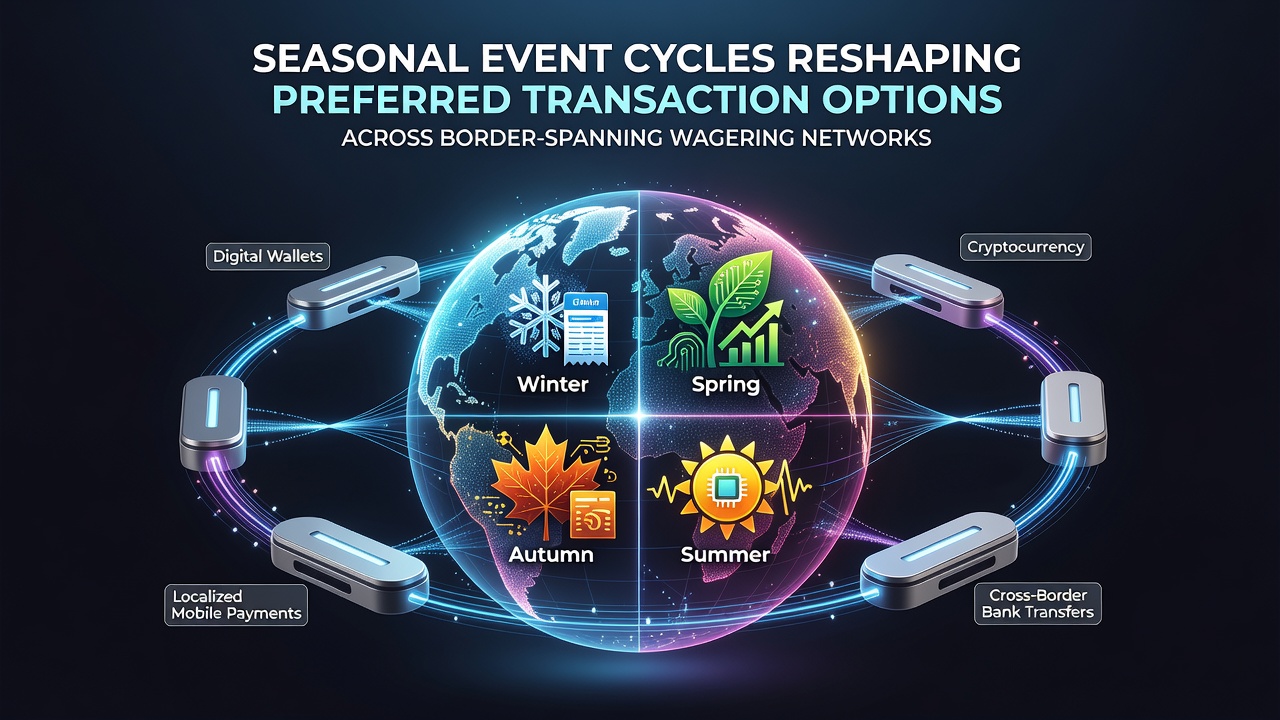
Seasonal Dynamics Transforming Payment Selections in Worldwide Betting Frameworks
Seasonal event cycles have long influenced user behavior across border-spanning wagering networks, and transaction preferences shift in measurable ways as holidays, sports tournaments, and cultural festivals arrive each year. Data collected from multiple platforms indicate that payment method selections change when major events overlap with regional celebrations, because participants seek faster processing times or lower fees during peak activity periods. Observers note that these adjustments appear consistently in regions where cross-border activity rises sharply, such as Europe during the winter holiday stretch and Asia-Pacific markets during lunar new year observances.
Event Timing and Transaction Volume Patterns
November 2026 sits at an interesting intersection because several overlapping cycles converge then, including North American sports playoffs, European football leagues entering decisive phases, and early preparations for year-end holidays across multiple continents. Figures from industry reports show elevated deposit volumes through e-wallets and certain digital currencies in the weeks leading into that month, while bank transfers see reduced usage in the same window. Researchers tracking these movements point to convenience as a recurring factor, since participants often complete multiple small transactions during live events rather than larger scheduled transfers.
Studies conducted across several jurisdictions reveal that preferred options also vary by region during these cycles. In markets where regulatory frameworks allow rapid settlement, mobile-based payment rails gain traction when tournaments intensify, whereas jurisdictions with stricter verification layers see sustained use of established card networks. The ball remains in the operators' court to adjust available methods quickly, because user migration between platforms tends to accelerate when one network offers smoother processing during high-demand periods.
Regional Variations in Preferred Methods
Cross-border wagering networks operate under differing compliance layers, which directly affects which transaction tools rise in popularity during seasonal peaks. According to information released by the Nevada Gaming Control Board, operators registered in that jurisdiction reported increased adoption of instant digital wallet options in the lead-up to major American football events each fall. Meanwhile, data compiled by the Australian Communications and Media Authority indicates similar spikes in cryptocurrency usage around the Australian Open tennis tournament, particularly among users located outside the country.
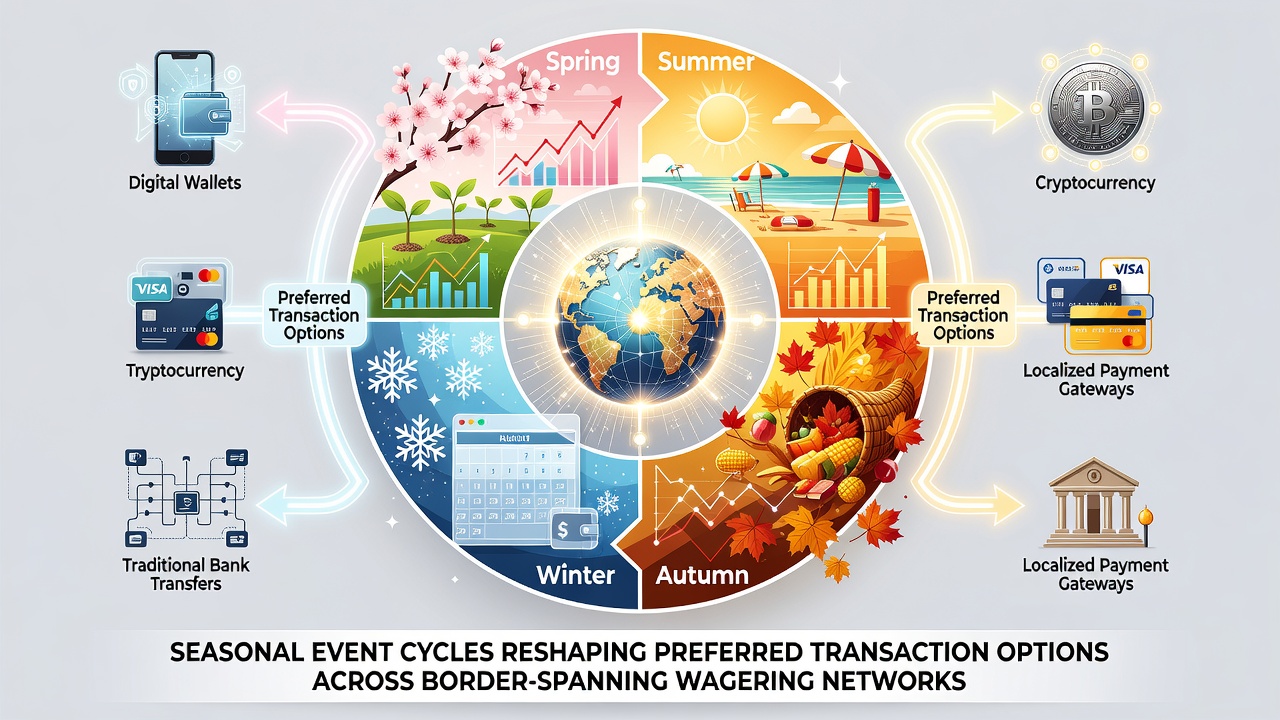
What's interesting is how these preferences evolve within a single event cycle. Early stages often feature conservative choices such as cards or direct bank links, yet as the event stretches and prize pools grow, participants frequently migrate toward methods that support quicker withdrawals. One study from the University of Nevada, Las Vegas gaming research division found that this migration pattern repeats across multiple years, suggesting a predictable rhythm tied more to event calendars than to individual platform promotions.
Technology and Compliance Influences
Border-spanning networks must balance local rules with user expectations, and seasonal pressure exposes where systems handle volume efficiently. Automated risk models recalibrate approval speeds during peak windows, which in turn nudges users toward certain rails that clear faster under heightened scrutiny. Platforms that maintain multiple regional licenses often surface localized payment options only during specific months, creating temporary spikes in adoption that fade once the event concludes.
Evidence from transaction logs across several networks shows that users who begin a cycle with one method frequently switch mid-event when new options become available or when processing times differ noticeably. This behavior appears most pronounced around multi-week tournaments that cross calendar months, because participants adjust strategies as payout timelines become relevant. Those who monitor these networks observe that the interplay between cultural festivals and tournament schedules produces the clearest shifts in preferred transaction tools.
Conclusion
Seasonal event cycles continue to reshape transaction preferences across border-spanning wagering networks through measurable, recurring patterns tied to timing, regional regulations, and available technology. Data from multiple sources confirm that users adapt their choices as events progress, favoring methods that align with both speed and compliance requirements during those windows. As November 2026 approaches, platforms will again track these movements to maintain service continuity while participants navigate overlapping global cycles.