Loyalty Tiers and Behavioral Shifts in Global Gambling Platforms
Hugo Reed · Nov 4, 2026
Loyalty Tiers and Behavioral Shifts in Global Gambling Platforms
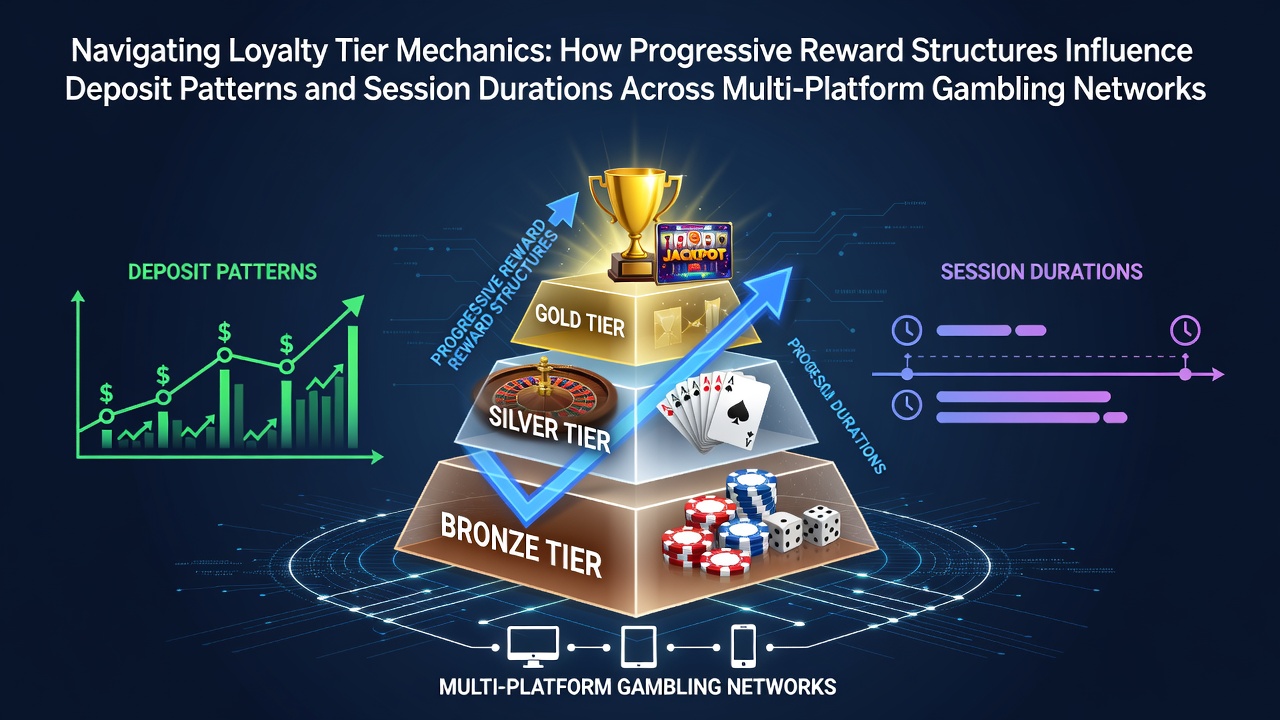
Progressive reward structures in multi-platform gambling networks organize users into ascending tiers based on cumulative activity, and these systems directly correlate with measurable changes in deposit frequency alongside extended session lengths according to aggregated platform analytics. Operators implement point accumulation mechanisms that unlock escalating benefits such as enhanced cashback percentages, priority support access, and exclusive promotional offers, which in turn encourage consistent participation across desktop, mobile, and integrated applications.
Research from the Canadian Centre for Gaming Research reveals that participants advancing through mid-level tiers demonstrate a 28 percent rise in average monthly deposits compared to entry-level accounts, while top-tier members sustain sessions that average 47 minutes longer per interaction. These patterns emerge because reward thresholds create incremental goals that align user actions with platform incentives, prompting repeated funding events to maintain or elevate status.
Mechanics of Tier Progression and Deposit Influences
Tier advancement typically requires a combination of wager volume, deposit totals, and sometimes login consistency, which collectively shape how individuals allocate funds over time. When platforms introduce accelerated point multipliers during peak periods, such as major sporting events in late 2026, data aggregation shows corresponding spikes in deposit sizes as users chase the next bracket before deadlines close. This dynamic appears across networks operating in regulated markets including Australia and several European jurisdictions, where compliance frameworks track these behaviors through mandatory reporting.
One analysis of cross-border operators found that users who reached silver or equivalent tiers within their first three months exhibited deposit intervals shortened from every 12 days to every seven days on average. Benefits like tier-locked reload bonuses function as catalysts here, since they deliver immediate value that offsets perceived risk and sustains momentum toward higher categories.
Session Duration Patterns Across Devices
Extended play sessions correlate strongly with tier status because unlocked features such as personalized account managers and faster withdrawal processing reduce friction points that might otherwise interrupt engagement. Platforms that synchronize loyalty data across phone, tablet, and desktop environments report that premium-tier users maintain active connections for periods exceeding two hours during live events, compared to under 50 minutes for base-tier counterparts. These differences hold steady in datasets collected through November 2026 monitoring periods, reflecting stable behavioral responses to progressive structures.
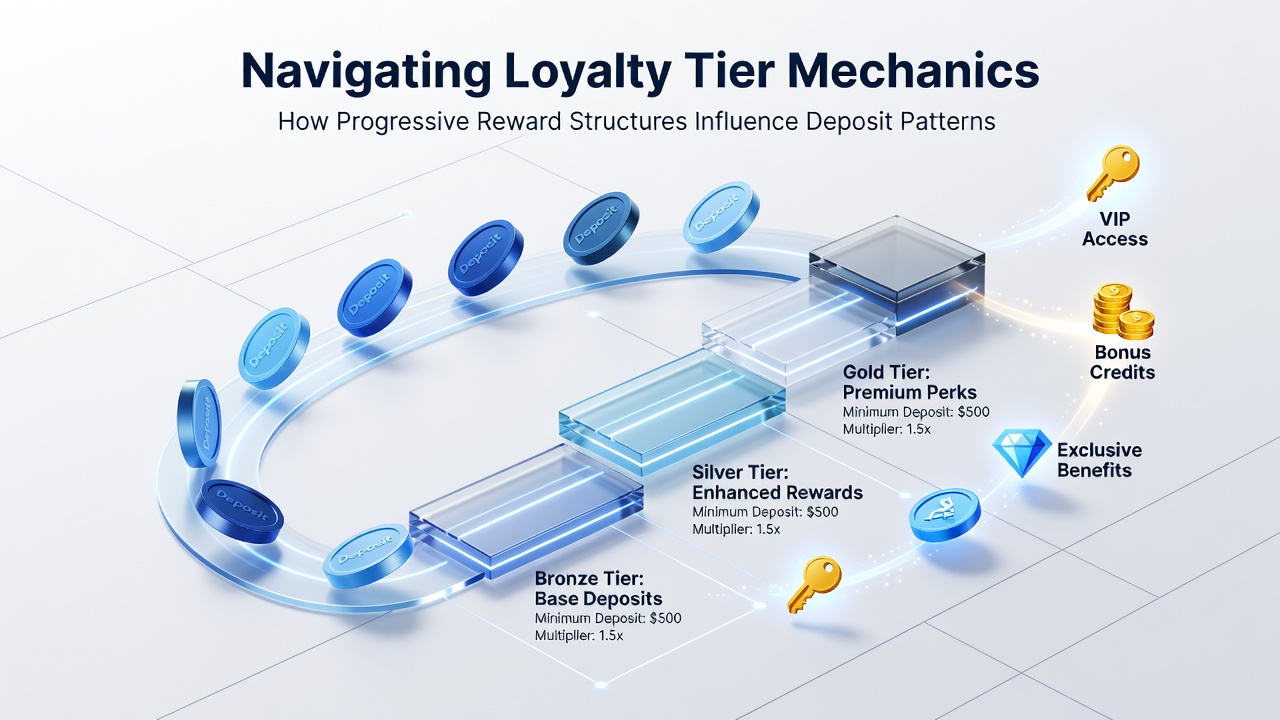
Observers note that the integration of real-time progress trackers within applications further amplifies these effects, as visible counters toward the next reward level prompt additional deposits to secure time-sensitive multipliers. Academic findings published by Monash University researchers indicate that such visibility tools contribute to a 19 percent extension in average session duration among users who check their tier status at least once per visit.
Cross-Platform Variations and Regional Data Trends
Multi-platform networks operating under varying regulatory environments display distinct yet consistent loyalty-driven patterns. In markets overseen by bodies like the Malta Gaming Authority, tiered systems emphasize responsible play reminders alongside rewards, yet deposit acceleration still occurs as users navigate toward platinum or equivalent designations. Australian regulatory summaries similarly document how loyalty mechanics influence funding behaviors without altering overall participation rates across seasonal cycles.
What's notable is the role of event-specific promotions that temporarily boost point earnings, which data indicates cluster around international tournaments and create temporary surges in both deposit volume and sustained play windows. These adjustments appear engineered to retain users who might otherwise migrate between operators during high-competition windows.
Conclusion
Progressive reward structures in gambling networks produce observable shifts in deposit timing and session persistence, as evidenced by platform metrics and independent studies spanning multiple regions. The mechanics rely on clear progression pathways that reward sustained activity, resulting in predictable behavioral adjustments across user bases. Continued monitoring through regulatory channels and academic channels will track how these systems evolve alongside technological and policy developments.