Currency Conversion Hurdles in Global Digital Poker Tournaments
Freya Frank · Oct 21, 2026
Currency Conversion Hurdles in Global Digital Poker Tournaments
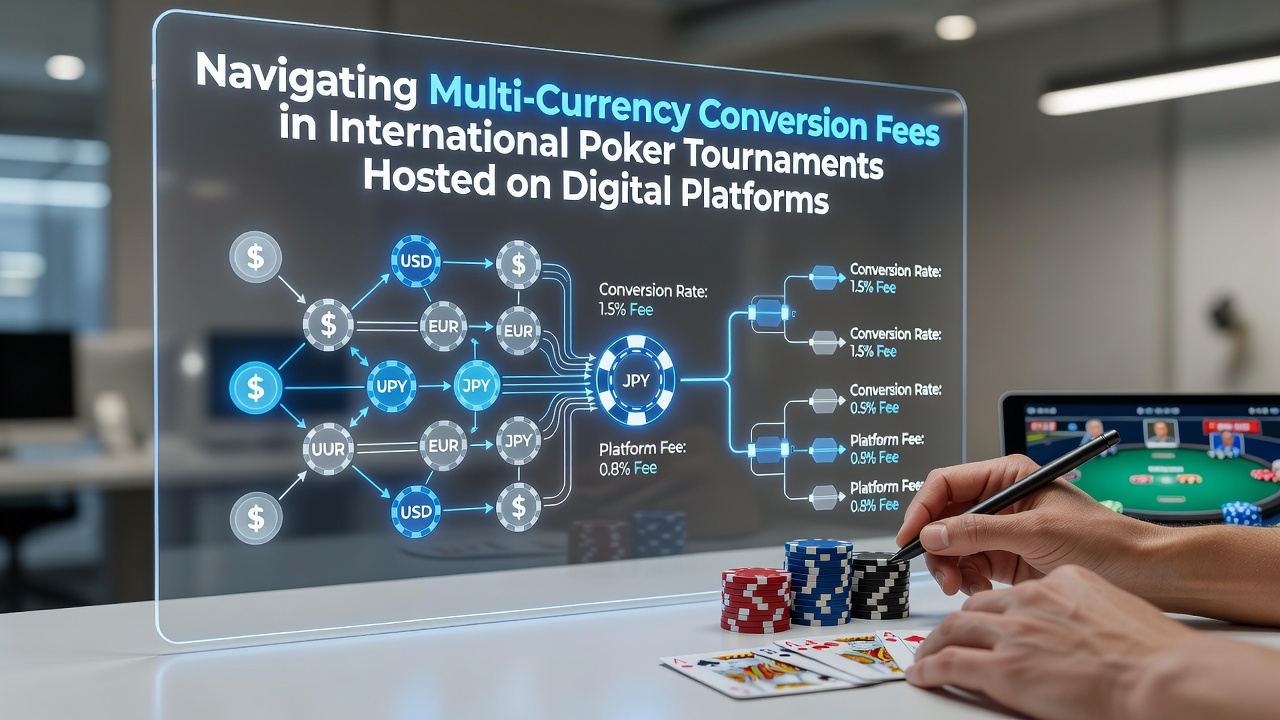
International poker tournaments on digital platforms often involve participants from dozens of countries, which means players encounter currency conversion fees when depositing or withdrawing funds across different monetary systems, and these charges can accumulate quickly during large events. Platforms typically support multiple currencies yet apply conversion rates that include spreads, flat fees, or percentage-based markups depending on the payment method and the player's location. Data from industry reports shows that average conversion costs range between 1% and 4% per transaction, though some operators add additional layers during peak tournament seasons.
Platform Approaches to Multi-Currency Handling
Digital poker sites manage currencies through integrated payment processors that automatically detect a user's base currency and apply real-time exchange rates, while some platforms allow manual selection of preferred currencies to reduce automatic conversions. Operators in regions like the European Union and Australia frequently partner with providers that offer localized banking options, which helps limit the number of times a single transaction crosses currency boundaries. Research from academic sources indicates that tournaments scheduled for October 2026 may see increased adoption of stablecoin integrations as more platforms test blockchain-based settlement systems to bypass traditional forex spreads.
Fee Structures and Their Impact on Players
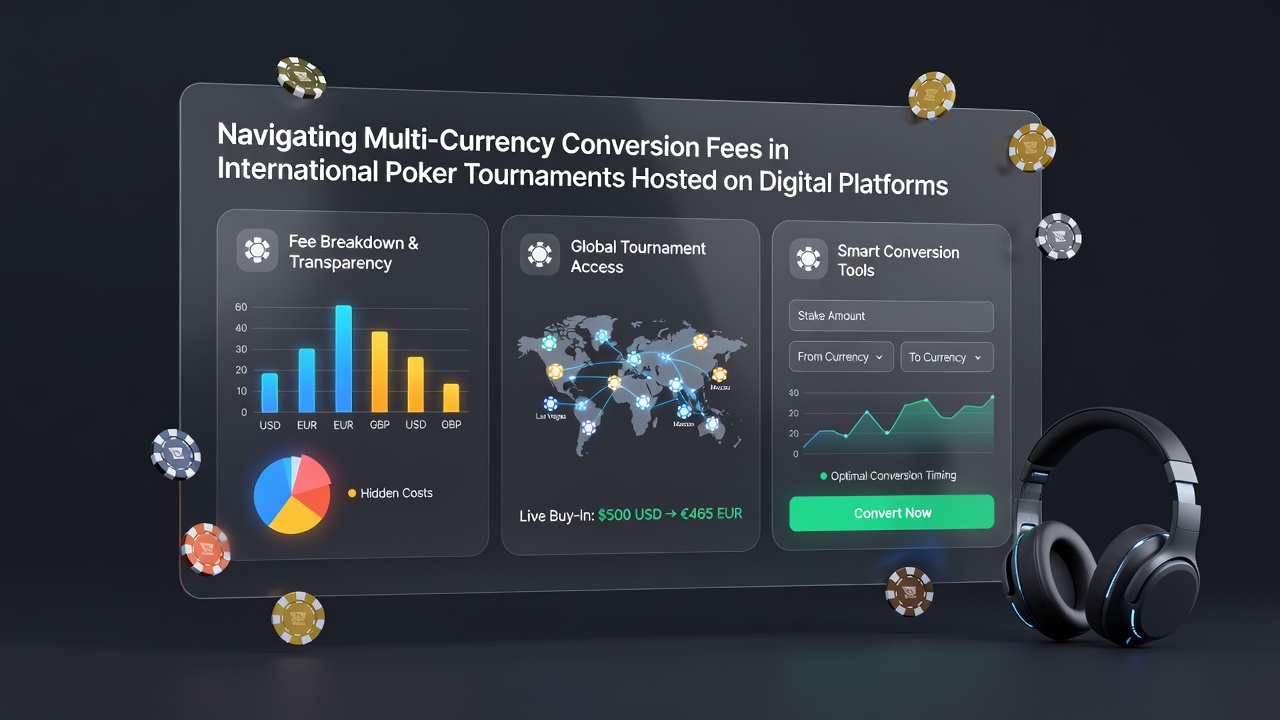
Conversion fees appear in several forms across platforms, including hidden spreads within exchange rates, explicit percentage charges listed in terms and conditions, and withdrawal penalties that activate when funds move back to a player's original currency. One study revealed that participants in high-stakes events often face compounded costs when they deposit in one currency, play in another, and cash out in a third, creating situations where total fees exceed 5% of the principal amount. Observers note that these structures vary by region, with Canadian operators sometimes offering more transparent rate disclosures compared to platforms based in emerging markets.
Regulatory Influences on Transaction Costs
Government agencies and trade organizations monitor how digital wagering platforms disclose currency fees, and rules effective in various jurisdictions require clear presentation of all charges before players complete deposits. A report published by researchers at the University of Nevada found that clearer fee breakdowns correlate with higher player retention rates during international tournament cycles. Platforms must also comply with data protection standards that affect how they process cross-border payments, which can indirectly influence the speed and cost of conversions. Those who've examined regulatory filings note that updates scheduled for late 2026 in several jurisdictions may standardize minimum disclosure requirements for multi-currency transactions.
Practical Methods Players Use to Reduce Costs
Many participants choose payment methods that support direct currency matching, such as e-wallets or bank transfers available in both the tournament currency and their home currency, which eliminates at least one conversion step. Others monitor exchange rate fluctuations and time their deposits during periods when rates favor their local currency, although this strategy requires access to real-time data feeds provided by some platforms. Industry organizations have documented cases where players who maintain accounts in multiple supported currencies avoid repeated conversions altogether, especially during extended tournament series that span several weeks. Figures from payment processor analyses reveal that selecting local payment rails over international card networks can reduce average fees by up to 2.5 percentage points in certain regions.
Future Developments in Currency Processing
Technological shifts continue to reshape how platforms handle currency conversions, with more operators exploring partnerships that enable instant settlements in digital assets while maintaining compliance with existing financial regulations. Data shows that adoption of these methods remains uneven across markets, yet early implementations in Asia-Pacific and North American platforms suggest potential reductions in both time and cost for international participants. Those monitoring industry trends expect further refinements by October 2026 as testing expands and regulatory frameworks adapt to new settlement technologies.
Conclusion
Navigating currency conversion fees requires awareness of platform policies, payment options, and regulatory expectations that differ by region, and players who examine these elements before entering tournaments can manage costs more effectively. Continued evolution in payment technologies and disclosure standards will likely influence how these fees appear in future international events hosted on digital platforms.